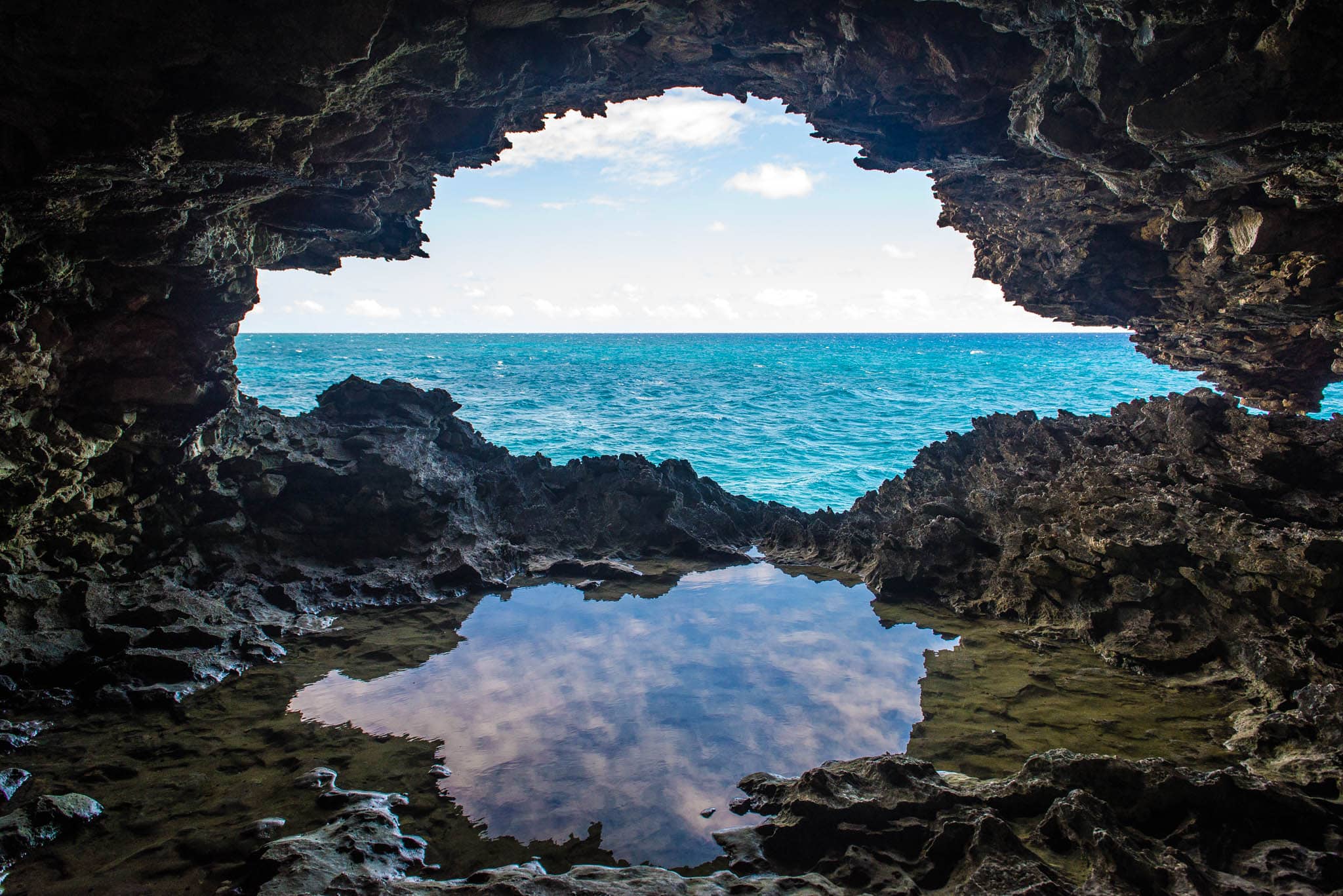
Sea-Facing Cave Arches
Morning hours
Capture the natural rock frame looking out toward the Atlantic waves. Best for silhouette shots against the water.

The Animal Flower Cave sits at Barbados' northernmost point, where Atlantic swells surge through limestone chambers and fill coral-rock pools with shifting light. Photographers arrive for the sea anemones, the natural arch framing the ocean, and the interplay of cave shadow against turquoise water. Getting sharp images in low light while managing spray and uneven footing requires specific timing and preparation.
Quick answer
Animal flower cave photos succeed best between 09:30 and 11:00, when indirect morning light illuminates the pools without harsh overhead glare. A wide-angle lens captures the full span of the coral formations and sea openings, while a fast aperture (f/2.8 or wider) handles the low ambient light inside the chambers. Bring a microfiber cloth—salt spray coats lenses within minutes. The cave's 27-step descent leaves no room for tripods on crowded mornings.
The cave's name comes from the sea anemones that cling to submerged rock—when tentacles extend, they resemble petals, and early visitors called them animal flowers. These creatures anchor themselves in tidal pools carved through centuries of wave erosion, and the openings in the cave ceiling let shafts of daylight reach the water below. Photographing this environment means working with reflected light, wet surfaces, and constant motion from incoming waves. Morning hours deliver the most cooperative conditions for cave photography. Direct sun creates extreme contrast between the lit water and shadowed rock, but the softer illumination before midday lets cameras capture detail in both the dark coral walls and the bright pool surfaces. The cave opens at 09:30, and arriving at that time places you ahead of tour groups that typically reach North Point by late morning. Fewer people in frame means cleaner compositions and time to adjust settings between wave surges. The natural rock arch at the cave's western edge frames the Atlantic and offers the site's most recognizable vantage. Wide-angle lenses between 16mm and 24mm capture the arch, the horizon, and foreground pool in a single exposure. For close shots of the anemones or coral texture, a macro lens reveals details invisible to casual observation, though you'll need to stabilize against the slick limestone floor. Polarizing filters cut glare from wet rock but add exposure challenges in already-dim conditions—test before committing to the filter. Salt air and spray are constant. A lens hood shields the front element from direct mist, and keeping a microfiber cloth in an accessible pocket allows quick cleaning between shots. Camera bodies with weather sealing handle the humidity better than open designs. If waves are running high, water splashes through the cave openings and reaches the upper walkways, so waterproof bags protect gear between setups. The stone floor is uneven and often slick; tripods are possible during quiet periods but impractical when visitors move through the narrow passages. Photographers drawn to Barbados' rugged northern coast find the cave a concentrated study in natural architecture. The rock pools, the anemones, the framed ocean view—all exist within a few dozen square meters, yet the changing tide and shifting light mean no two visits yield identical images.
“When tentacles extend, they resemble petals, and early visitors called them animal flowers.”
Morning hours
Capture the natural rock frame looking out toward the Atlantic waves. Best for silhouette shots against the water.
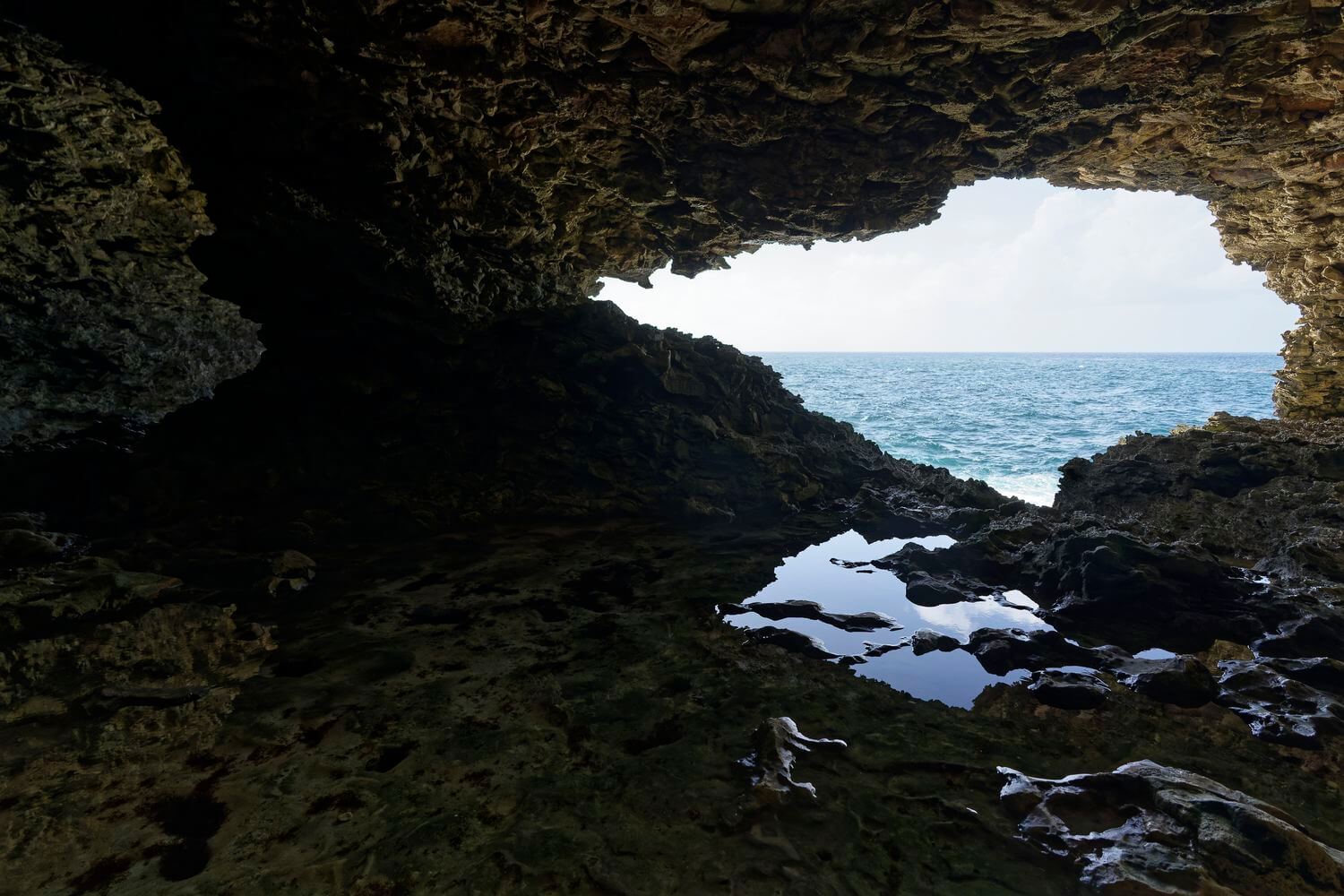
Low tide
Photograph the unique hexagonal patterns and sea anemones within the shallow pools. Use a macro lens for detail.
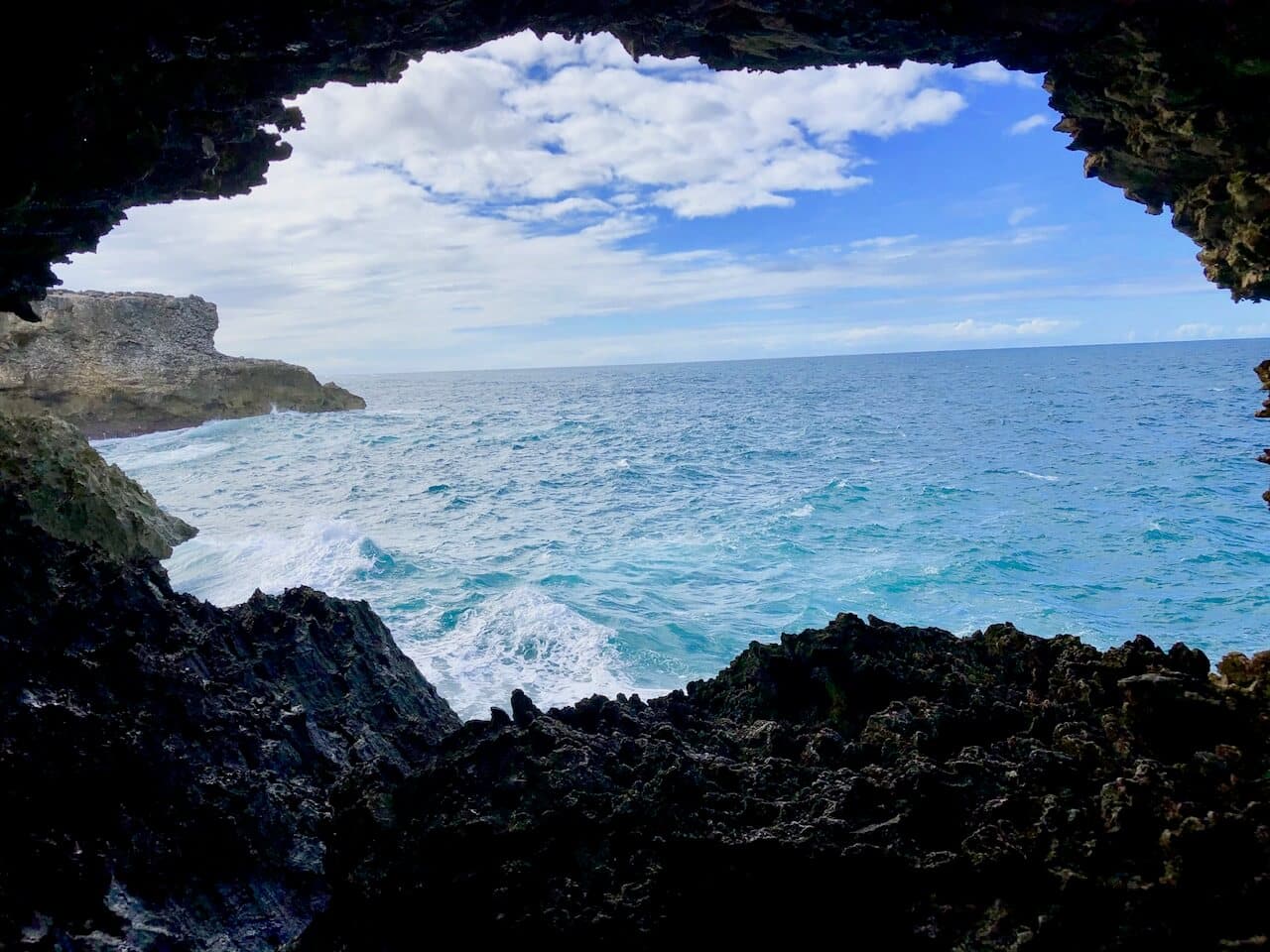
Midday
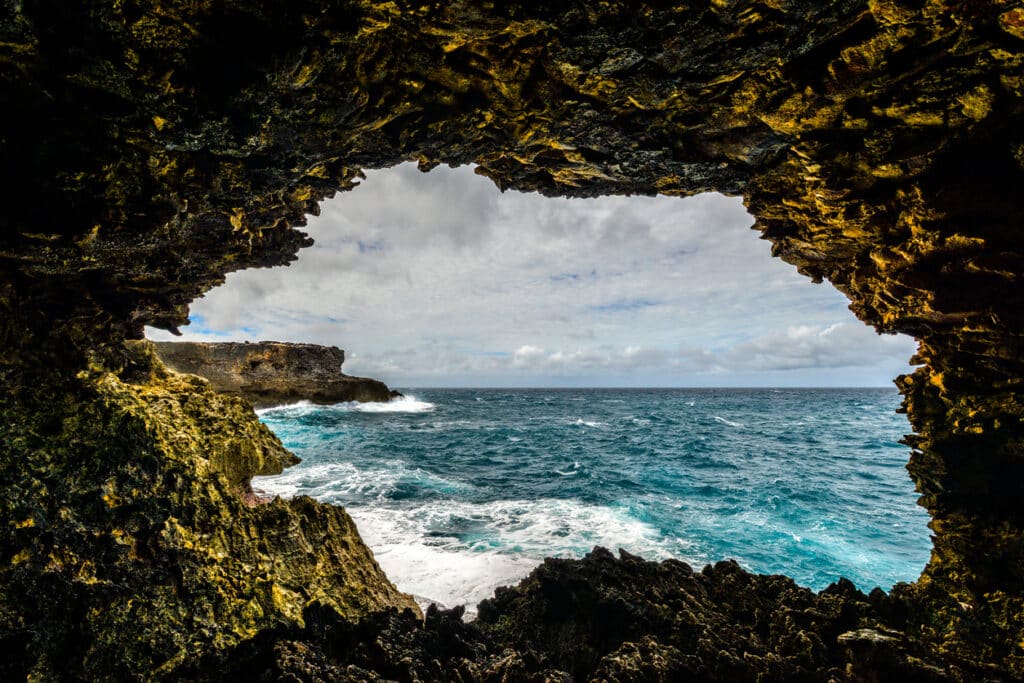
View the rugged coastline and turbulent sea from the exterior plateau. Provides context for the cave location.
Mid-morning
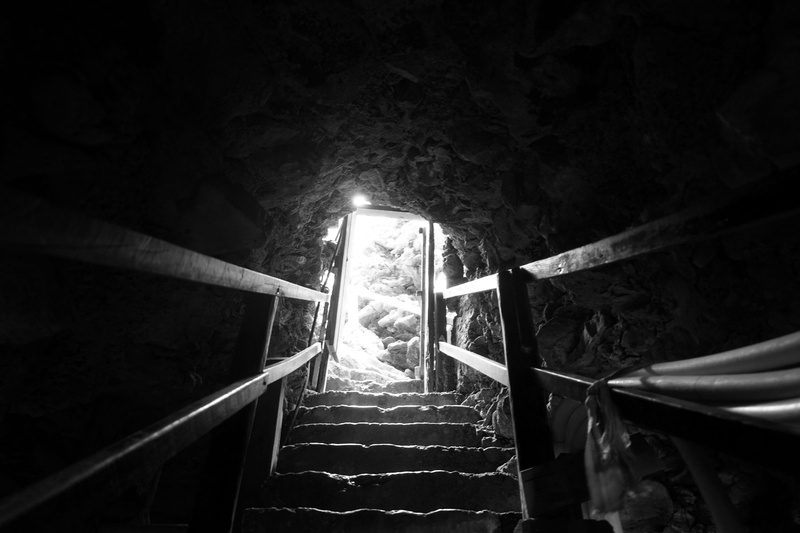
Frame the 27 steps as they descend into the cavern mouth. The contrast between light and dark creates depth.
The best arrival window is 09:30–11:00 to beat the tour buses and enjoy cooler temperatures for photography. Arriving during this period provides optimal natural lighting inside the cavern before peak visitor traffic.
—
Fewer visitors allow for clearer shots of the cave pools.
24°C to 29°C
Lower humidity improves visibility and coastal clarity.
25°C to 31°C
Frequent afternoon showers may influence ocean conditions and cave accessibility.
Verdict: Arrive between 09:30 and 11:00 on a weekday during the dry season for the best light and fewest crowds.
The Animal Flower Cave is open for visitors Tuesday through Sunday, remaining closed on Mondays.
Accessibility at the Animal Flower Cave is limited due to the natural coastal terrain and the requirement to navigate a staircase to reach the cave floor. Visitors planning photography sessions should prepare to manage their equipment while descending the 27 steps.
The cave floor is not accessible to wheelchairs due to the natural rock formation and stairway.
Access to the main cave interior requires descending 27 steps.
Arriving during the recommended early window helps avoid crowds and allows more space for camera equipment.
Everything you need to know about animal flower cave photos
You are welcome to take personal snapshots throughout the cavern. For commercial photography, please reach out to the management team in advance to obtain formal permission.
To capture clear images, utilize the natural light streaming through the sea-facing apertures. Adjusting your camera settings for high-contrast environments will help balance the bright limestone openings with the shaded interior.
Yes, you can document your visit to this North Point attraction as you explore the natural geological formations. The cave provides a unique backdrop of crashing waves and coral floors.
To avoid crowds and capture superior shots, visit during the morning window between 09:30 and 11:00. Arriving early ensures you have ample space to frame your perspective without tour bus interference.
Handheld photography is generally encouraged, but large equipment like tripods may be restricted due to the narrow passageways and uneven surfaces. Please keep your gear compact to ensure the safety of other visitors.
The conservation fee is necessary for all guests entering the site. This entrance fee of 40 BBD per adult covers your access to the cave and the surrounding grounds where photo opportunities are abundant.
What to Wear to the Animal Flower Cave
Read more GuideAnimal Flower Cave Dining
Read more GuideAnimal Flower Cave Tides and Weather
Read more GuideHistory and Facts of Animal Flower Cave
Read more Tickets & toursBarbados Island Tours with Cave Stop
Read more Tickets & toursAnimal Flower Cave Tickets & Prices
Read more