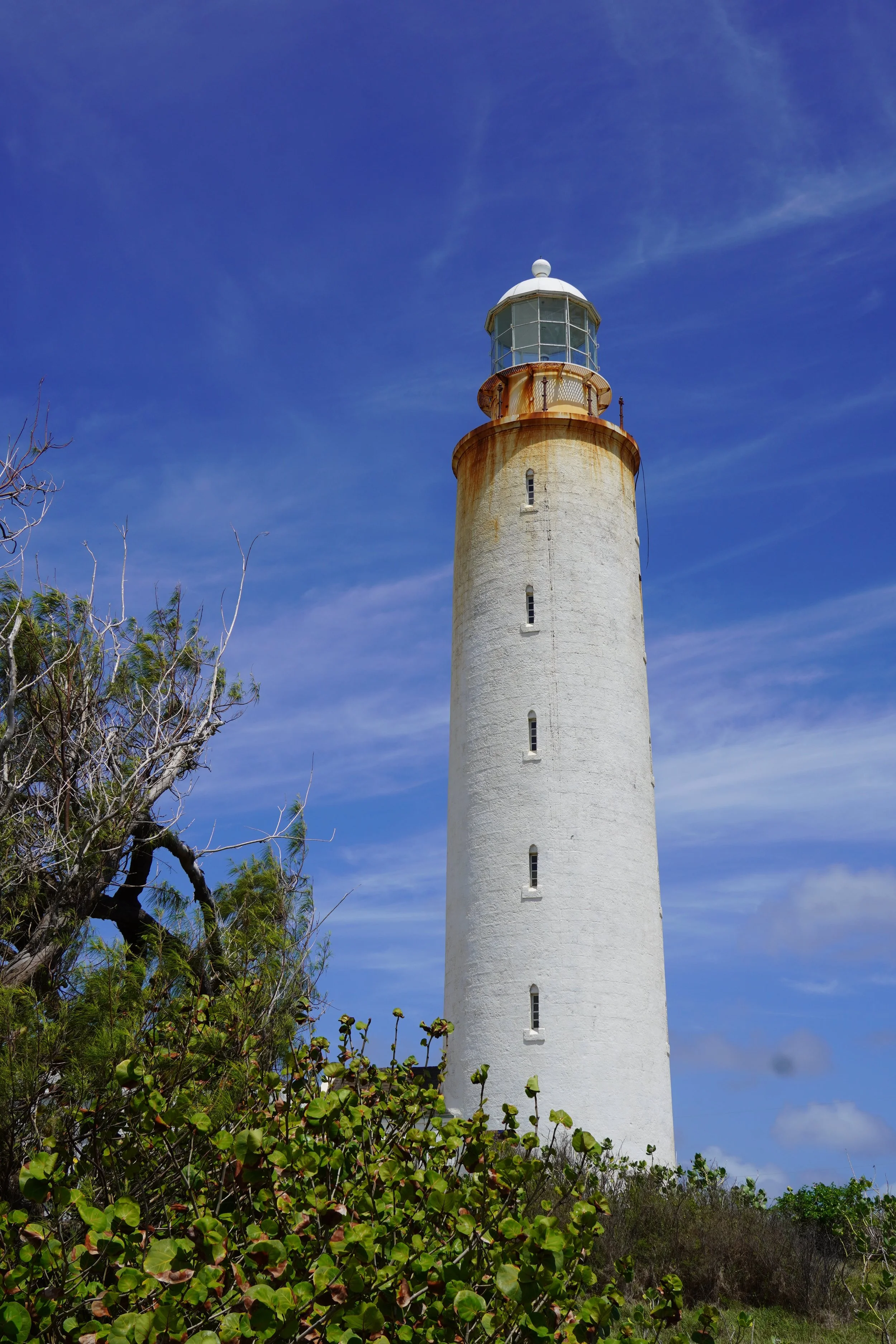
North Point Lighthouse
5 min drive
This historic site offers expansive views of the northern coastline where the Atlantic Ocean meets the Caribbean Sea. It serves as a complementary stop for those interested in the maritime history of the island.

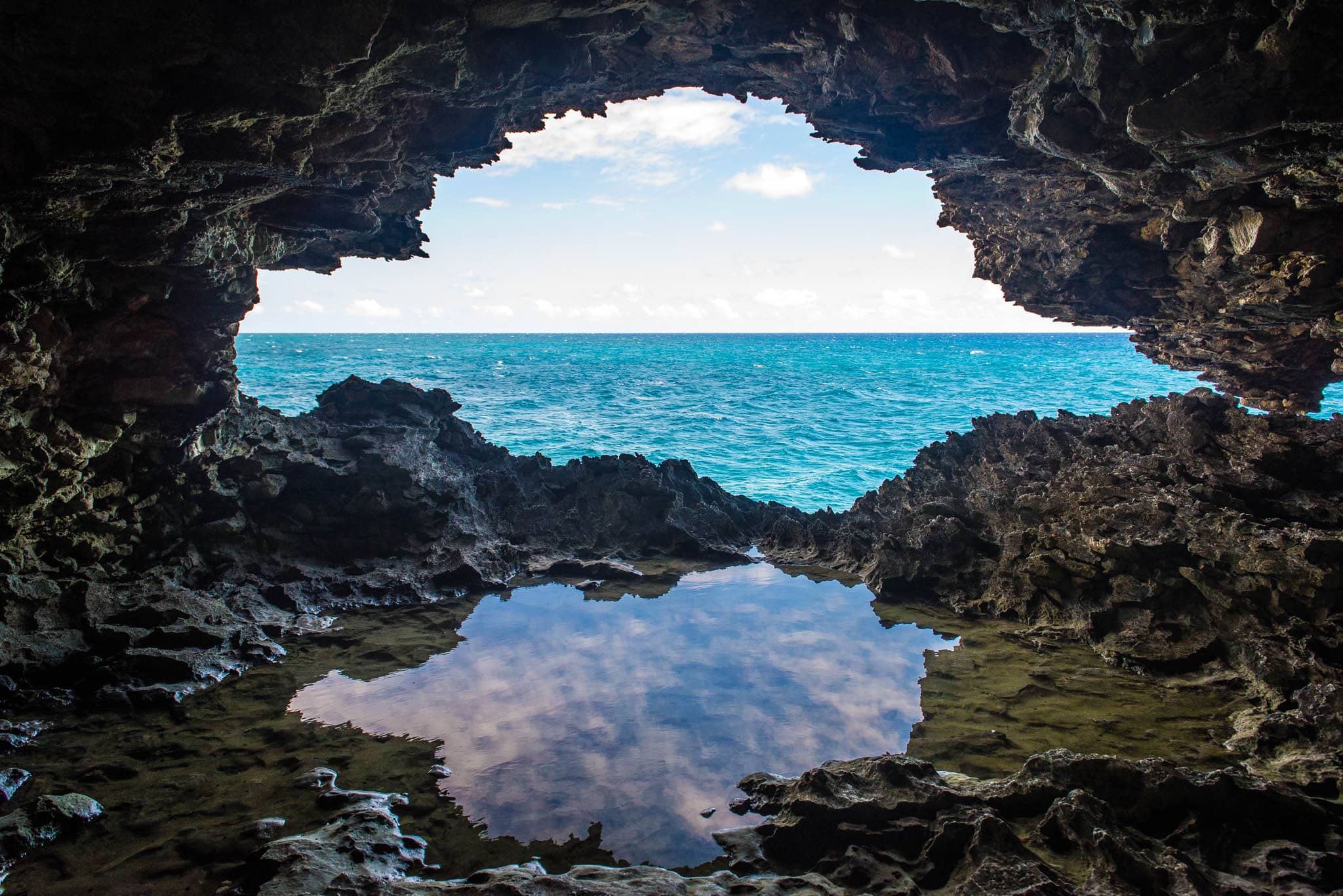
Animal Flower Cave sits at the northernmost tip of Barbados, carved into the limestone cliffs where the Atlantic meets the Caribbean. Access depends entirely on sea conditions—the cave floods during high swells, and tours close without notice when waves exceed safe thresholds. This guide explains the seasonal patterns, the surf windows that matter, and how to check conditions before you drive north.
Quick answer
Animal Flower Cave weather conditions are calmest from January through May, when Atlantic swells drop and the cave remains accessible most days. June through November brings rougher seas and seasonal storms, with frequent closures during high surf. December transitions between seasons, with variable conditions. The cave operates weather-dependent hours from 09:30 to 16:00 Tuesday through Sunday, but access can close at any time if waves rise or visibility inside the cave becomes unsafe.
The cave's name refers to the sea anemones—locally called animal flowers—that bloom in the tidal pools carved into its floor, but those pools only appear when the Atlantic cooperates. The entrance lies thirty feet above the waterline at low tide, reached by twenty-seven concrete steps, yet the cave's interior chambers sit barely above sea level. When swells exceed six feet, waves surge through the natural tunnels and flood the viewing platforms. Staff monitor surf forecasts hourly and close access the moment conditions shift. Animal flower cave weather follows Barbados' two-season pattern. The dry season, January through May, delivers the island's calmest seas. Trade winds blow steadily from the east, swells average three to four feet, and the cave opens nearly every scheduled day. February and March offer the most reliable windows—low rainfall, moderate winds, and minimal tropical activity in the Atlantic basin. April extends the favorable period, though afternoon showers increase toward month's end. May marks the transition: mornings remain calm, but afternoon wind shifts begin, and the first pre-season swells arrive from distant storms. The wet season, June through November, coincides with hurricane season and brings unpredictable surf to Barbados' northern coast. Even on sunny days, distant weather systems generate long-period swells that arrive without warning. August and September see the highest closure rates, when tropical waves cross the Atlantic every few days and surf consistently exceeds safe thresholds. October typically shows some improvement, though active storm years extend the rough period into November. December straddles both patterns—early weeks carry residual swell energy, while late December often previews the calmer months ahead. Cliff-edge exposure amplifies every weather variable. The cave faces northwest into the open Atlantic, unprotected by reefs or offshore islands. Wind speeds at North Point run five to eight knots higher than Bridgetown, and wave heights double between the south coast and the northern cliffs. Morning conditions frequently differ from afternoon: calm seas at sunrise can turn choppy by noon as thermal winds build. The site's weather-dependent access policy exists because conditions change faster than forecast models predict, and the margin between safe and dangerous narrows to minutes when swells rise.
“When swells exceed six feet, waves surge through the natural tunnels and flood the viewing platforms.”
The Animal Flower Cave operates daily from Tuesday through Sunday. The site remains closed to visitors every Monday.
The Animal Flower Cave is located at North Point, St. Lucy, at the northernmost tip of Barbados. Driving via Highway 1 or Highway 2 to the northern coast is the most direct approach for visitors.
Highway 1 or 2 to North Point, St. Lucy
Route 1C (Connell Town) to the final stop
Direct hire from Bridgetown or Holetown
Follow signs for North Point; be aware that high winds or heavy rain can occasionally affect coastal road visibility and traction. Ample parking is available on-site near the main entrance.
Accessing Animal Flower Cave requires navigating 27 stone steps carved into the cliff face, leading down to the sea-level chamber. The descent takes roughly two minutes, but weather and surf conditions determine whether the cave is safe to enter on any given day.
Contact the site at +1 246-439-8797 or visit https://www.animalflowercave.com before you travel—high swells or rough seas close the cave without notice, even during posted hours.
The cave is accessible Tuesday through Sunday, 09:30 to 16:00, with Monday closures for maintenance. Mornings offer calmer seas and better natural light inside the chamber.
Admission is 40 BBD per adult, collected at the clifftop entrance before you begin the descent. Cash is often preferred, so confirm payment methods when you call ahead.
The staircase is uneven, can be slippery when wet, and has no handrail for most of the route. Wear closed-toe shoes with grip and take your time—rushing is the main cause of slips.
Cave staff monitor wave patterns in real time and will delay or halt access if swells rise. If you're told to wait or turn back, conditions can shift within minutes—never ignore their instructions.
Once inside, the floor is wet limestone with tidal pools. Watch your footing near the openings where surf enters, and avoid leaning over the edge when waves surge through the blowholes.
The northern coast of Barbados offers several landmarks that pair well with a visit to the Animal Flower Cave. Planning your day around these nearby sites allows you to experience the rugged terrain of St. Lucy before or after your cave exploration.
5 min drive
This historic site offers expansive views of the northern coastline where the Atlantic Ocean meets the Caribbean Sea. It serves as a complementary stop for those interested in the maritime history of the island.
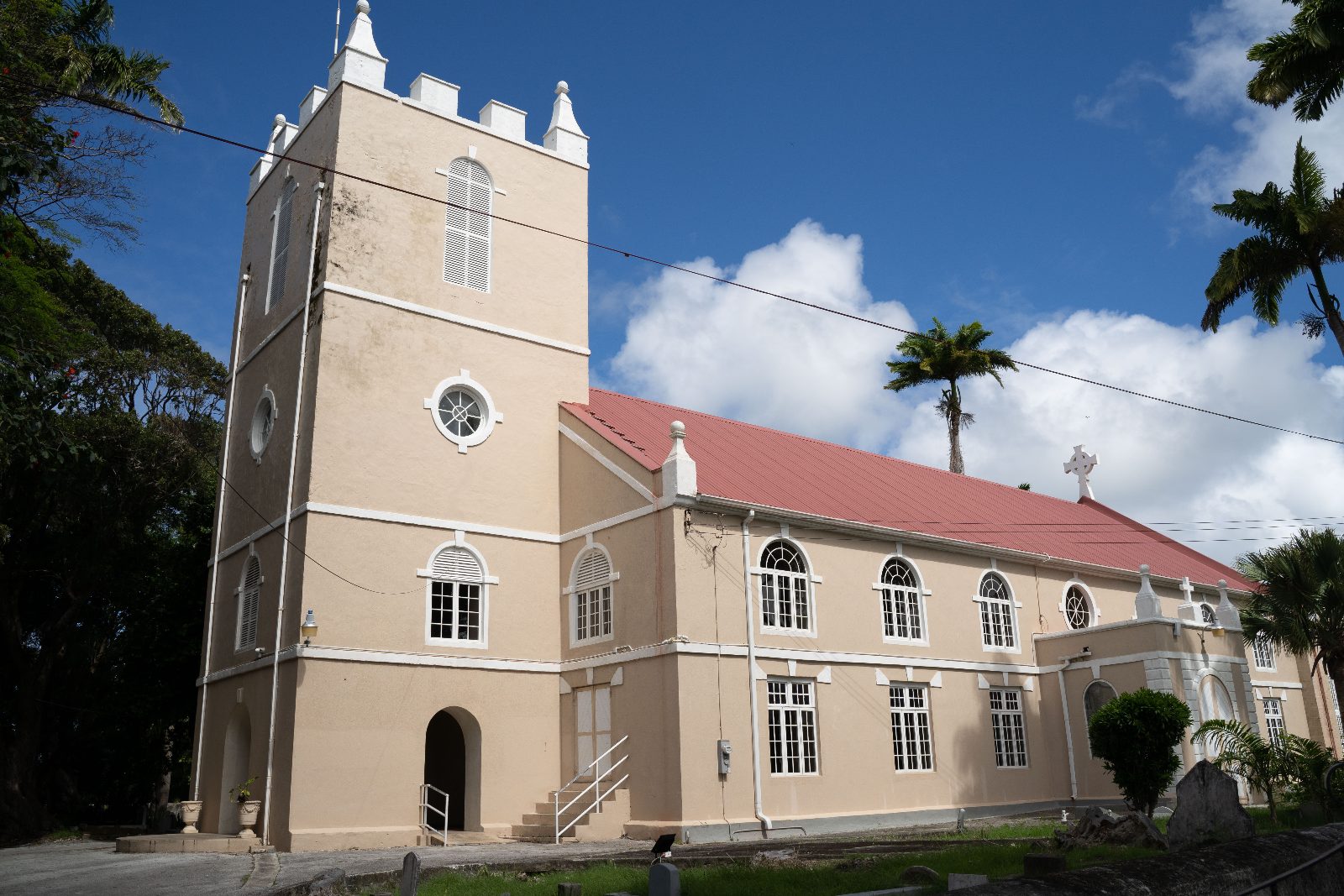
10 min drive
As one of the oldest churches on the island, this site provides insight into the colonial architecture of the northern region. It offers a quiet contrast to the maritime energy of the coast.
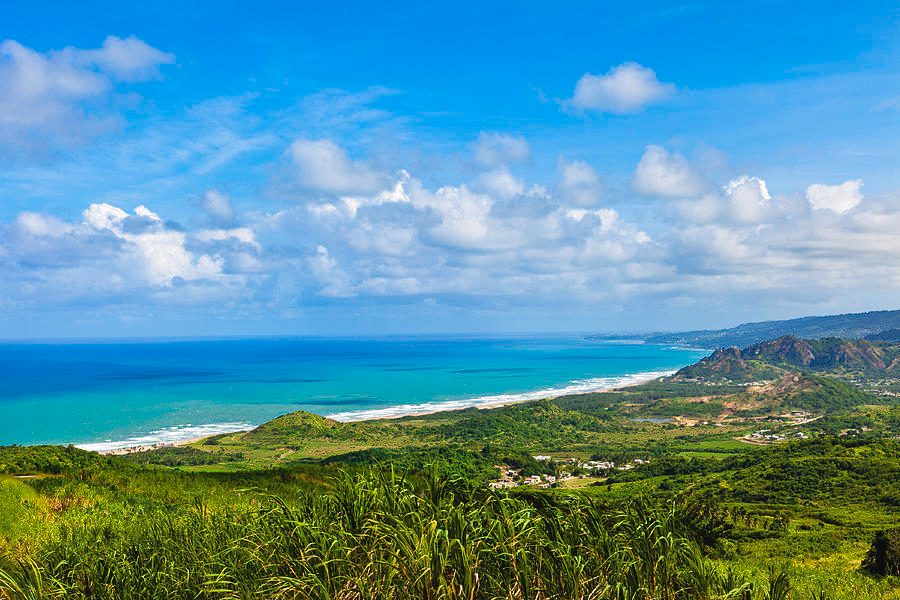
15 min drive
Located within the St. Nicholas Abbey area, this lookout provides elevated vistas of the Scotland District. It is a logical stop to include when traveling south from the northern tip of the island.
Everything you need to know about animal flower cave weather
Site access is always weather-dependent because heavy swells can make the sea cave inaccessible. You should check local conditions to ensure the attraction is currently permitting entry to the cavern floor.
The facility typically closes its doors if sea conditions are deemed unsafe for visitors. As the site is located at the northernmost point of Barbados, it is directly exposed to the Atlantic Ocean and its currents.
Mornings offer cooler temperatures and softer light, which is ideal for photography and comfort. Planning your trip between 09:30–16:00 helps you avoid the harshest midday heat, though local conditions remain the primary factor.
While there is a restaurant and shop on the grounds, the main attraction involves descending into a natural geological formation. Most visitors prioritize the cavern experience, so waiting for a clear window is usually recommended.
It is wise to monitor the forecast, but the team on-site makes the final call based on real-time sea levels. You can reach out to their staff at +1 246-439-8797 if you are uncertain about the current status.
Given the 27 steps required for descent, comfortable footwear is essential regardless of the season. Bring sun protection for the cliff-top area and a light covering if you are sensitive to sea spray.
Animal Flower Cave Gallery
Read more GuideWhat to Wear to the Animal Flower Cave
Read more GuideAnimal Flower Cave Dining
Read more GuideHistory and Facts of Animal Flower Cave
Read more Tickets & toursBarbados Island Tours with Cave Stop
Read more Tickets & toursAnimal Flower Cave Tickets & Prices
Read more